
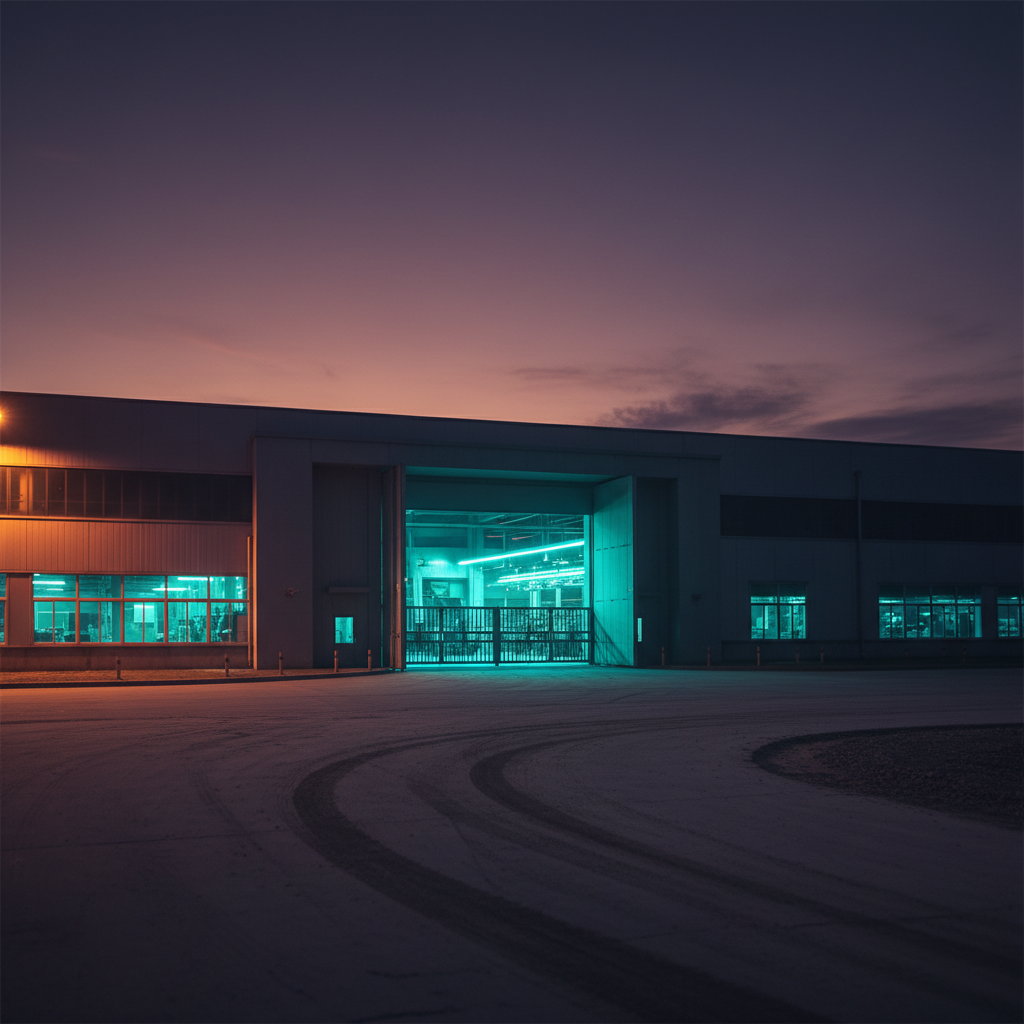
The size of an economy does not show how much energy an individual business will need or how the cost will affect its project. For a production site in Türkiye, the decision starts with consumption, supply terms and the cash required before customers pay.
What the national energy balance shows
According to Türkiye’s Ministry of Energy and Natural Resources, primary energy supply was 165.2 million tonnes of oil equivalent in 2024, and domestic sources accounted for approximately 33%. This is a national balance for 2024. It is not the imported share of a particular company’s energy bill and does not establish today’s tariff.
Nominal GDP in dollars across decades reflects changes in prices, exchange rates and methodology as well as output. Comparing dollar amounts from 1923 and 2026 therefore does not measure real output or living standards by itself. A figure for the unfinished year 2026 is an estimate, not a final result.
Case: a production line before launch
Case: a business plans a Turkish facility with equipment using electricity and gas. Its budget assumes full utilisation and takes energy costs from a preliminary supplier quote. If the launch is delayed or output is lower than planned, fixed charges and standby consumption can increase the cost per unit.
Before signing long-term commitments, ask the equipment supplier for expected consumption during start-up, normal operation and standby. Compare it with the production schedule, shifts and seasonality. Confirm connection requirements, required capacity, contract terms, quote validity and the price adjustment mechanism with the energy supplier.
Test three scenarios
- Base case: the agreed launch timetable and expected utilisation.
- Delay: the launch takes longer while rent, staff and some energy costs continue.
- Cost changes: energy prices, imported input costs and exchange rates change separately; do not assume they all move together.
For each scenario, show energy per saleable unit, margin and the monthly cash balance. Include taxes and other charges under the actual agreement and invoices. For imported components, add their currency, lead time, advance payment and any stock requirement. Where relevant, assess backup power and the cost of downtime with technical specialists; backup equipment is not automatically necessary for every site.
Then compare a phased launch, shift schedules and terms with the supplier. Count savings from new equipment or on-site generation only after assessing capital cost, maintenance, implementation timing and necessary permissions. National data helps frame the questions; the project and its contracts determine the decision.
Source and review date
Reviewed on 29 October 2026: Ministry of Energy and Natural Resources: 2024 national energy balance, announcement of 17 November 2025.